


The global running landscape is currently navigating a profound transformation, shaped by a perfect storm of tightening financial pressures, urgent environmental responsibilities, and a fundamental shift in what participants truly value.
For organisers, the challenge lies in balancing soaring operational costs with the demand for radical sustainability, all while overhauling tired, traditional race formats. To stay relevant, they are pivoting towards more immersive and eco-conscious experiences, striving to inspire a new generation of runners who seek more than just a finishing time, but a genuine sense of purpose and connection.
Shifting Running Event Formats
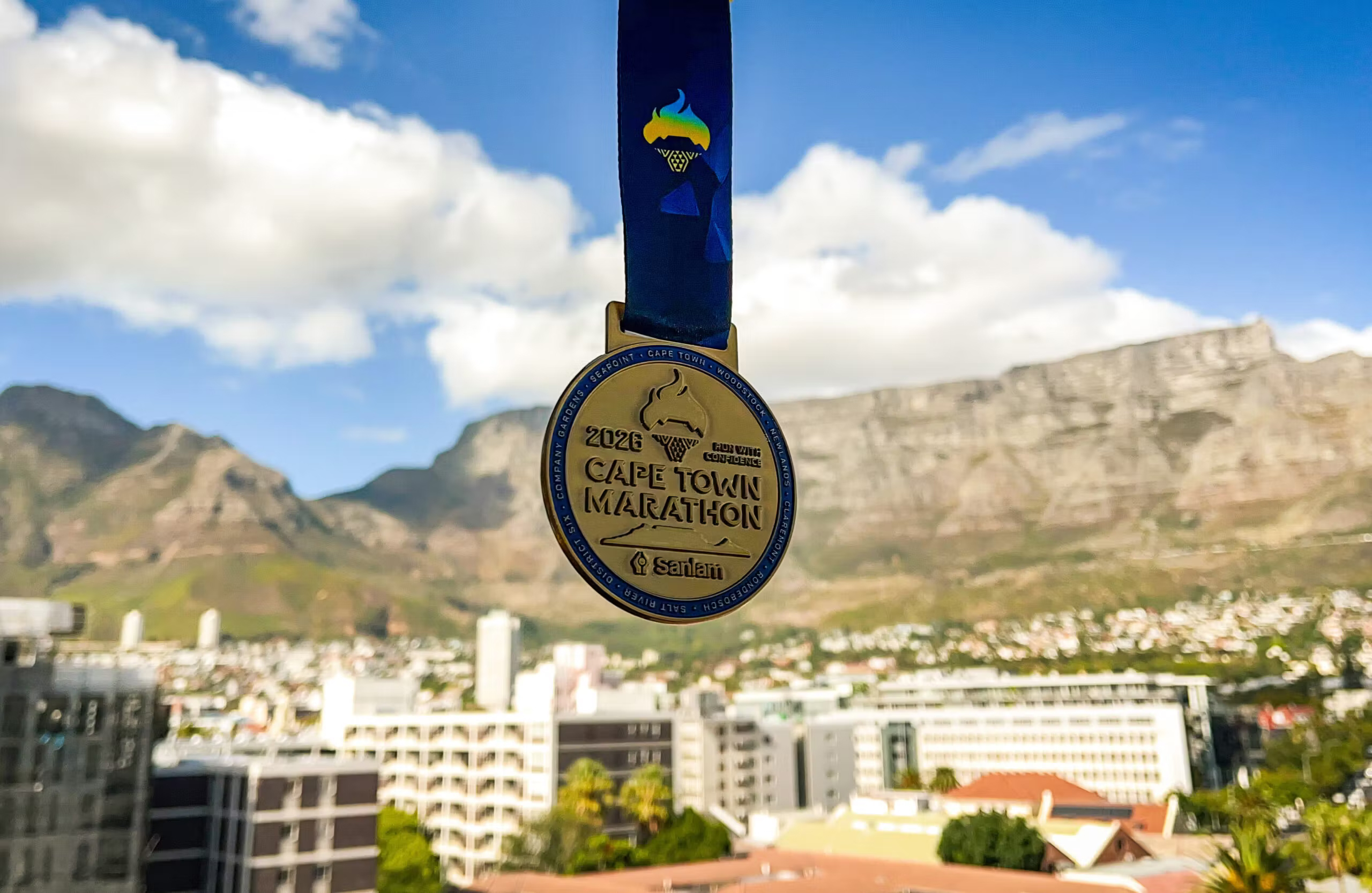
The rise of new global running formats highlights a necessary shift in the industry. Alongside those featured below, the prestigious Abbott World Marathon Majors - traditionally a six-star series including Tokyo, Boston, London, Berlin, Chicago, and New York - has expanded to include Sydney as its seventh event. Abbott World Marathon Majors (AWMM) have confirmed that all finishers of the recent 2026 Sanlam Cape Town Marathon (which took place on May 24, 2026) will receive a provisional star, giving the event eighth-member status. Alongside this, the Shanghai Marathon is currently in the multi-year candidacy process and is on track to potentially become the 9th Abbott World Marathon Major in 2027.
- The European Marathon Classics
Run Europe, go beyond borders - the European Marathon Classics launched in February 2026 as a unified series, bringing together eight iconic races: Acea Run Rome The Marathon, Vienna City Marathon, TCS London Marathon, Zurich Rock 'n' Roll Running Series Madrid, Copenhagen Marathon, Warsaw Marathon, EDP Lisbon Marathon, and Mainova Frankfurt Marathon. The collaboration’s immediate appeal was clear: within just the first two weeks of opening, it drew 6,500 runners from 105 countries across six continents. - A ‘Double London Marathon’ in 2027
It has recently been confirmed that London Marathon Events are looking into a one-off two-day TSC London Marathon to take place in 2027, subject to permission being granted. Organisers have confirmed they are "exploring innovative ways" to allow more people to take part, specifically looking at a two-day format for 2027. It comes after a record 1.1 million people applied in the public ballot to participate in the 2026 edition - a 36% increase on the previous year. There were record-breaking 56,540 finishers of the London Marathon in 2025. A Double London Marathon would potentially allow up to 100,000 runners to take part. - Standalone Marathon Championships (2030+)
In a strategic shift for distance running, World Athletics will introduce an independent World Marathon Championship, starting in 2030, with plans to make the ‘authentic’ Athens Marathon its premier destination. While the marathon remains part of the 2027 and 2029 World Athletics Championships, from 2030, it will transition into a standalone annual event, finalising a complete separation of road running from the biennial track and field competition by 2031.
Wider global trends & issues
Societal behaviours
Societal shifts towards heightened environmental consciousness and a preference for experiential, value-driven participation is fundamentally reshaping the organisation of running events, turning them from transactional logistics into sustainable, community-focused experiences.
Organisers are now compelled to move beyond simply lining up runners and must instead adopt proactive, eco-conscious policies to meet the demands of a more mindful generation of participants. A pioneering example of this, the Paris Marathon 2026, has eliminated single-use water cups and bottles, requiring runners to carry their own hydration systems, a move celebrated for slashing waste while simultaneously reducing the logistical load of clean-up.
Furthermore, to tackle the often-ignored carbon impact of participant travel, the UTMB World Series has introduced a mandatory carbon contribution for all attendees in 2026 and provides a 30% lottery advantage to runners who pledge to use lower-carbon transport, directly influencing consumer behaviour to encourage sustainability. This shift also includes many events now offering medal opt-outs or using recycled materials, reflecting a desire to reduce unnecessary waste while maintaining the commemorative, community-focused spirit of the event.
Financial Challenges
The financial climate has severely impacted global race organisers, who face navigating rising logistical expenses, insurance, and sustainability costs against volatile participant demand.
In March 2026, the UK ultra-running scene was rocked by the collapse of Ourea Events, a premier organiser that couldn't survive the financial pressures of the post-pandemic era. Despite staging world-renowned races such as the Dragon's Back Race and Cape Wrath Ultra, the company struggled under the weight of accumulated pandemic debts and a significant spike in operating costs. They also experienced a sharp decline in international runners following Brexit.
It was recently announced that global multi-day ultramarathon organisers Ultra X have acquired Dragon’s Back Race and Northern Traverse out of administration, securing the future of two of the UK’s most iconic and demanding endurance events.
Climate Change
Global climate change is rapidly redrawing the map for long-distance running, turning what was once a straightforward endurance challenge into a significant puzzle for event organisers. The ideal window for marathons, typically between 4°C and 10°C, is becoming increasingly rare, with an October 2025 study from Climate Central finding that 86% of global marathons could see a decline in these optimal conditions by 2045. For runners, chasing a personal best is no longer just about fitness but also about battling a warming planet, with excessive heat now a primary threat to both performance and health.
Extreme, unpredictable weather is now a tangible threat, with significant events being cancelled due to storms. A major example of this was the 2025 Sanlam Cape Town Marathon, which was called off on 19 October 2025, just 75 minutes before its scheduled start due to high winds and infrastructure damage. Similarly, in October 2025, the Great Scottish Run was forced to cancel its junior and mini events owing to an amber wind warning for 'Storm Amy', proving that even autumnal northern UK events are not immune to the volatility.
Organisers are being forced into drastic adaptations to keep participants safe as temperatures soar, including a visible shift towards early morning or even midnight starts to avoid the worst of the heat. Other events have suffered from last-minute cancellations due to severe heatwaves or unexpected wildfire smoke affecting air quality. This volatility impacts the runner’s experience, logistical planning, and financial viability of the race. While the industry is introducing more frequent hydration stations and sustainable materials, the fact remains that as extreme weather events become more frequent, the number of safe days for mass-participation running is dwindling, demanding a long-term shift in how we view the sport.
IRX 2026 is THE event for global brands, retailers, distributors and industry leaders
Join fellow industry leaders at The International Running Expo (IRX) 2026 - Europe’s only dedicated business event for the running sector. Returning to RAI Amsterdam on 4-5 November, IRX features 200+ global brands showcasing the technologies and products shaping the future of the sport. Secure early-bird rates today.